|
|
L’European Tactical Airlift Programme – ETAP nasce nel 1999 da un’iniziativa politico-militare franco-tedesca volta a creare un Comando europeo che si occupasse della gestione del trasporto strategico militare all’interno dell’Unione Europea e nelle missioni al di fuori.
L’accordo preliminare, concordato durante il Consiglio europeo di Helsinki, prevedeva l’adesione dei paesi su base volontaria.
Nel 2000 l’European Air Group – EAG consigliava di coordinare le esigenze internazionali di trasporto aereo militare con la creazione di un elemento di gestione multinazionale con piena autorità di comando.
Nel giugno del 2001 gli stati aderenti all’EAG hanno deciso di istituire la cellula di comando denominata European Airlift Coordination Cell (EACC) che ha successivamente portato, nel 2003, alla creazione dell’European Airlift Centre.
Nel 2006 Francia e Germania hanno esteso l’invito ad altri paesi per entrare nell’EAG ma di fatto entrarono solo il Belgio e i Paesi Bassi.
Nel maggio del 2007 i quattro paesi hanno creato l’European Air Transport Command (EATC).
Il 1° luglio del 2010 il Comando europeo per il trasporto aereo è diventato operativo.
Nel 2012 ha aderito il Lussemburgo, nel 2014 sono entrate anche la Spagna e l’Italia.
Il quartier generale dell’EATC è collocato presso l’aeroporto di Eindhoven (Paesi Bassi).
La struttura organizzativa dell'EATC comprende il gruppo di comando e tre divisioni: la Divisione Operativa, la Divisione Funzionale e la Divisione Politica e di Supporto. Tutte le entità interagiscono strettamente e lavorano in sinergia per aumentare l'efficacia e l'efficienza e promuovere l'interoperabilità.
Il Comandante e il Capo di Stato Maggiore ruotano su base triennale tra Francia e Germania. Il vicecomandante ruota su base triennale tra Italia, Belgio, Spagna e Paesi Bassi. I paesi membri sono rappresentati all'interno del Quartier generale dai Senior National Representatives (SNR).
Queste posizioni hanno una doppia funzione: da un lato i SNR agiscono come superiori nazionali del proprio personale assegnato all'EATC e fungono da interfaccia tra l'EATC e il proprio paese. Dall'altro lato, ricoprono le posizioni a rotazione di capi divisione e vicecapi divisione, nonché di capo dell'Ufficio Affari Pubblici.
La Divisione Operativa gestisce tutti i processi relativi all'esecuzione delle missioni di mobilità aerea dell'EATC. La Divisione gestisce una media giornaliera di 60 missioni (dato del 2021) in tutto il mondo grazie alle sue cinque sezioni integrate.
La Sezione incaricata pianifica e prepara le missioni di trasporto aereo e di rifornimento in volo (AAR – Air to Air Refueling), mentre la Sezione dedicata all'evacuazione medica gestisce le missioni mediche strategiche.
Le sezioni scelgono l’assetto che meglio si adatta alle esigenze della missione in questione, cercando così di soddisfare la richiesta nazionale nel modo più efficiente possibile. Parallelamente, la Sezione intelligence monitora, analizza e diffonde informazioni relative alle aree di interesse o ai settori strategici rilevanti. La Sezione fornisce anche una valutazione delle minacce al controllo di missione, svolgendo così un ruolo cruciale per il successo dell'esecuzione della missione.
Al termine del processo, consegnano la missione approvata all’Ente che gestisce la missione.
Questo centro opera 24 ore su 24, 7 giorni su 7. Monitora tutte le attività di volo sotto la responsabilità dell'EATC, gestisce in modo proattivo le circostanze impreviste che incidono sul programma, oltre a fornire un servizio di qualità e piani economicamente vantaggiosi nell'interesse delle esigenze dei paesi membri.
La Divisione Funzionale si occupa di promuovere l'armonizzazione, la standardizzazione e l'interoperabilità tramite la formazione multinazionale congiunta.
È suddivisa in tre Sezioni: Occupazione, Formazione - Esercitazioni, Tecnica - Logistica. Le Sezioni sono strettamente interconnesse e lavorano in stretto coordinamento interdipendente, in particolare con la Divisione Operativa e con i partner nazionali.
La Sezione Occupazione e Tecnico/Logistico traduce i risultati operativi in concetti, procedure, standard comuni e opportunità innovative relative all'utilizzo di risorse, logistica, trasporto aereo, aviolancio, AAR, manutenzione e molto altro ancora. I risultati sono riportati nei manuali operativi.
La Sezione Formazione - Esercitazioni trasforma questi risultati in eventi di formazione multinazionale, come i corsi EART, DART o CATO, CATT e ACATT, la stessa supporta anche l'ETAP.
La Divisione Politiche - Supporto collabora con gli enti esterni e supporta le attività della sede centrale. La divisione è strutturata in cinque Sezioni: Politiche e Affari Legali, Sistemi di Comunicazione e Informazione (CIS), Analisi e Reportistica, Gestione della Qualità e Supporto Generale. La Sezione Politiche e Affari Legali svolge un ruolo di primo piano nel coordinamento con i paesi membri e le terze parti. Questo è di fondamentale importanza, in quanto l'EATC si avvale di una forte cooperazione con altri soggetti europei nel settore della mobilità aerea. La Sezione sviluppa inoltre strategie a lungo e medio termine, politiche comuni e quadri giuridici. Gli esperti CIS dell'EATC supportano la configurazione dell'IT dell'EATC e lo preparano ai requisiti di questo nuovo decennio.
La Sezione Analisi e Reporting offre analisi delle missioni e statistiche ai paesi membri per facilitare l'identificazione e il monitoraggio degli indicatori critici. È anche responsabile della contabilità ATARES delle ore di volo e dei servizi scambiati tra i paesi membri dell'EATC. Il reparto Gestione della qualità supervisiona e coordina tutte le attività e i processi dell'EATC, mentre il supporto amministrativo e finanziario è gestito dal reparto Supporto generale. Quest'ultimo funge anche da collegamento con la nazione ospitante e la base aerea di Eindhoven.
In estrema sintesi il ruolo dell’EATC è quello di gestire le flotte del trasporto militare e del rifornimento in volo, in pratica il 75% della capacità totale di tutta la componente militare europea.
L’EATC organizza annualmente dei corsi ed esercitazioni per mettere in pratica le diverse tecniche e tattiche che saranno poi impiegate nelle operazioni reali.
I corsi che prevedono l’utilizzo degli aeromobili sono divisi in due categorie, l’European Tactical Airlift Program (ETAP) per i velivoli da trasporto e l’European Air Refueling Course (EART) per il rifornimento in volo, quest’ultimo non viene organizzato a cadenza regolare ma in base alle necessità.
 L’ETAP comprende corsi di addestramento di varia tipologia, ETAP-T per la componente trasporto, l’ETAP-C per gli equipaggi di volo, l’ETAP-I per gli istruttori di volo e loadmaster. Un ulteriore corso è rivolto alla missione di evacuazione sanitaria. L’ETAP comprende corsi di addestramento di varia tipologia, ETAP-T per la componente trasporto, l’ETAP-C per gli equipaggi di volo, l’ETAP-I per gli istruttori di volo e loadmaster. Un ulteriore corso è rivolto alla missione di evacuazione sanitaria.
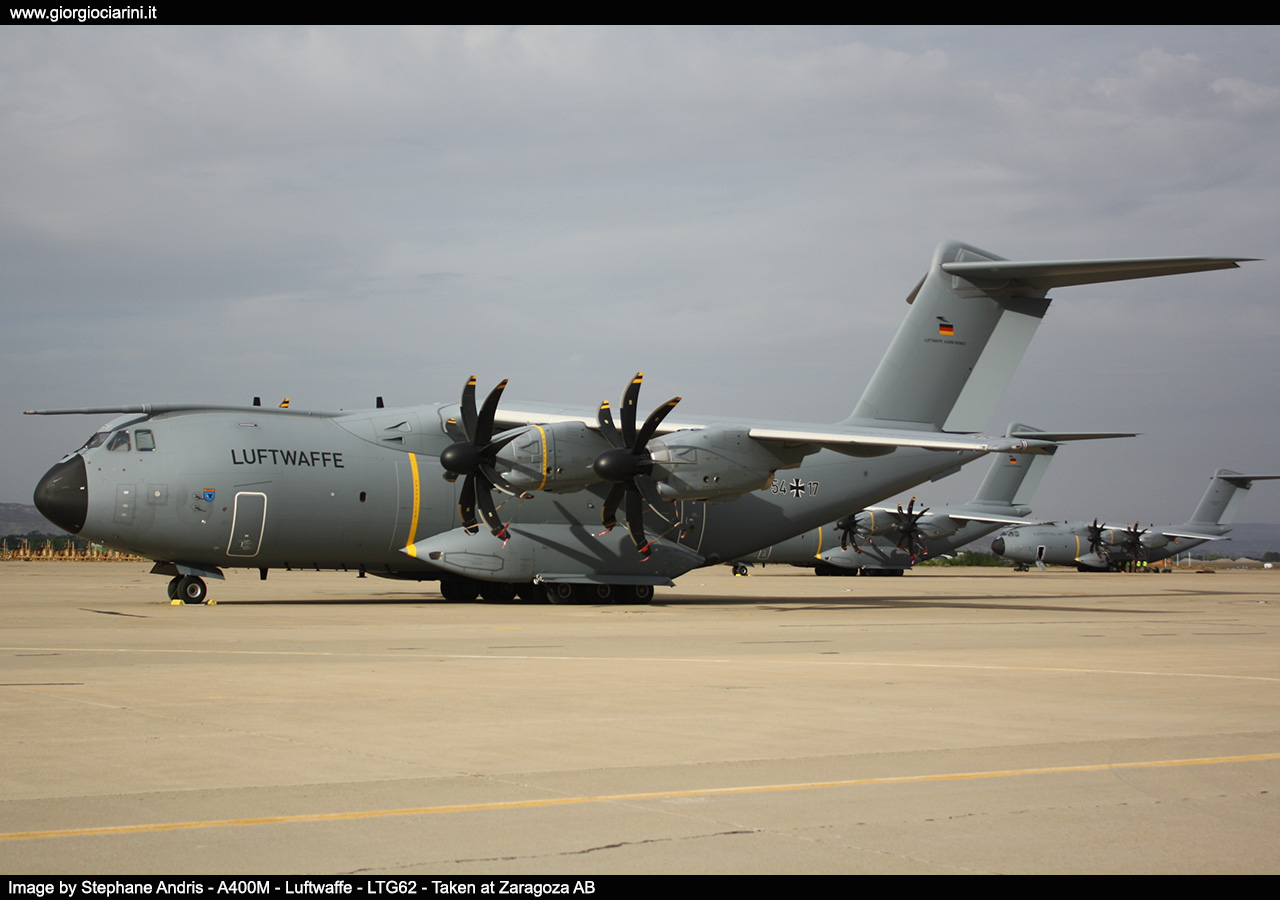
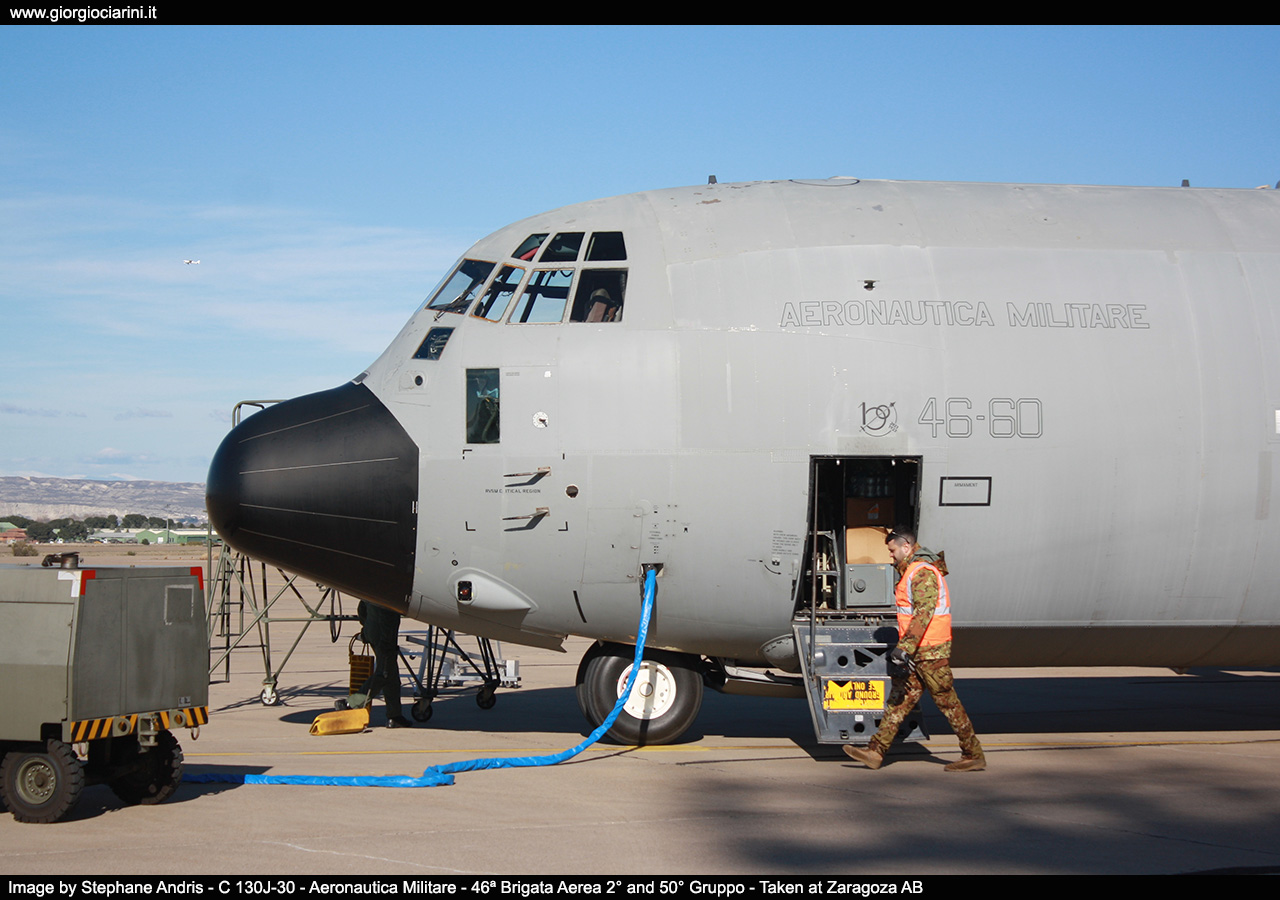
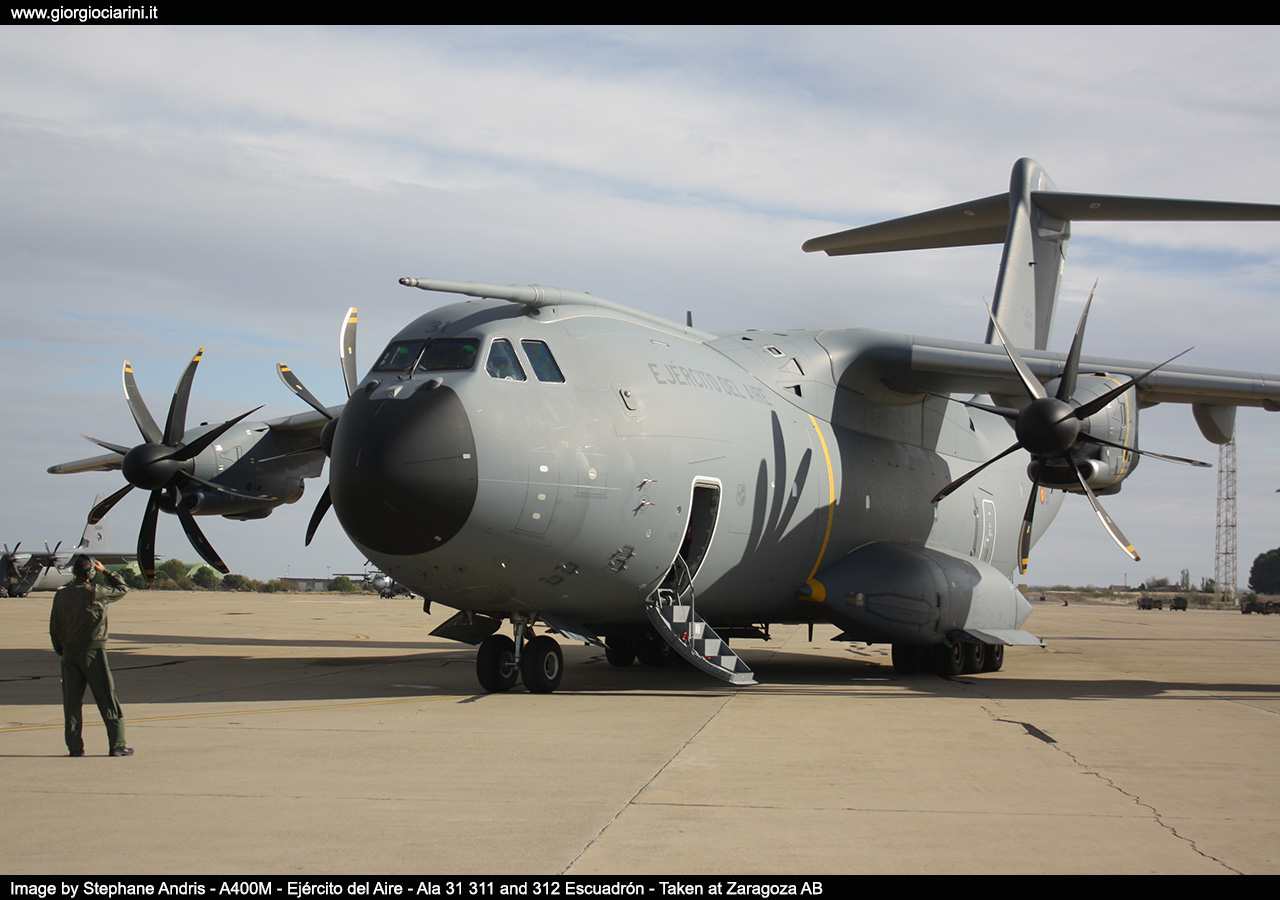
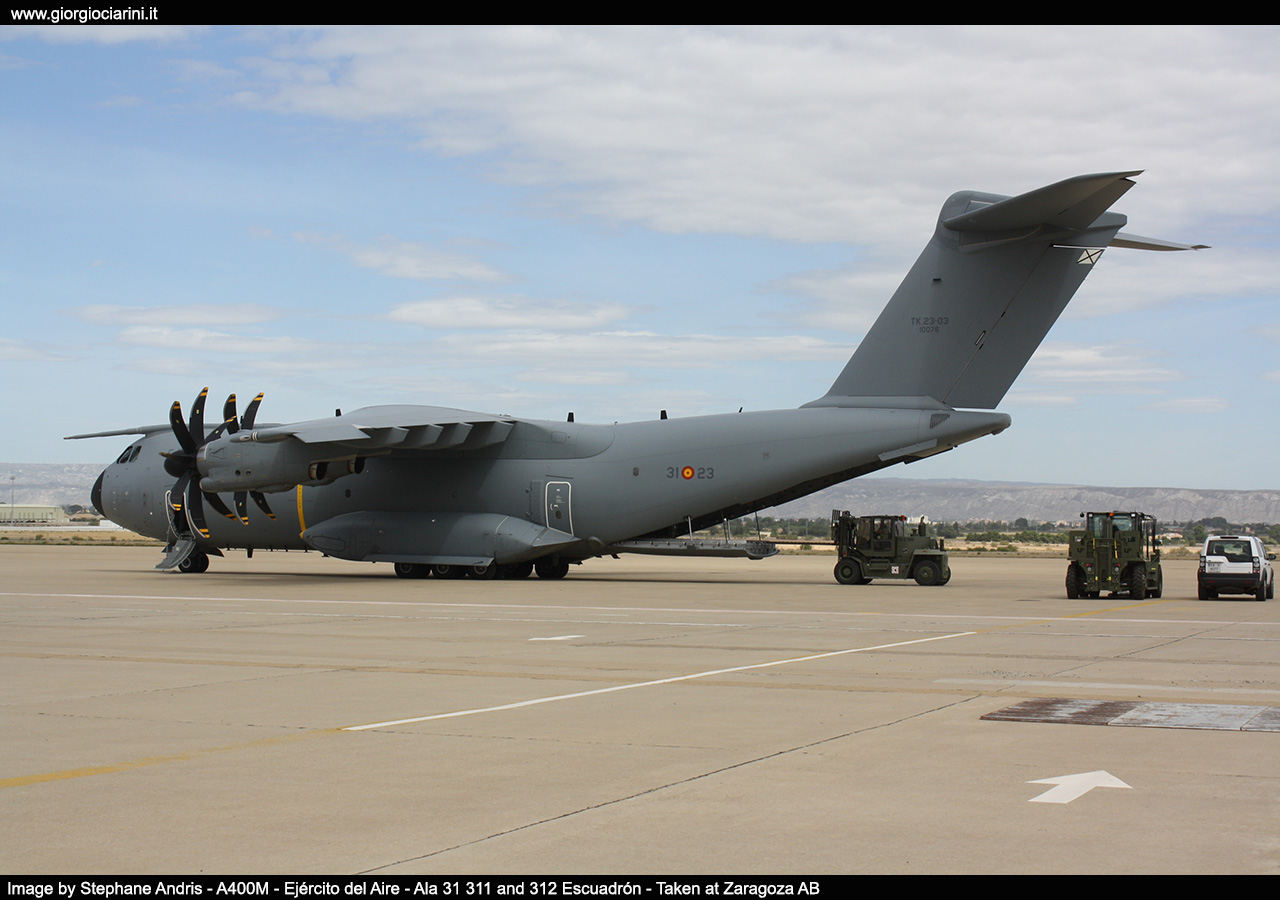
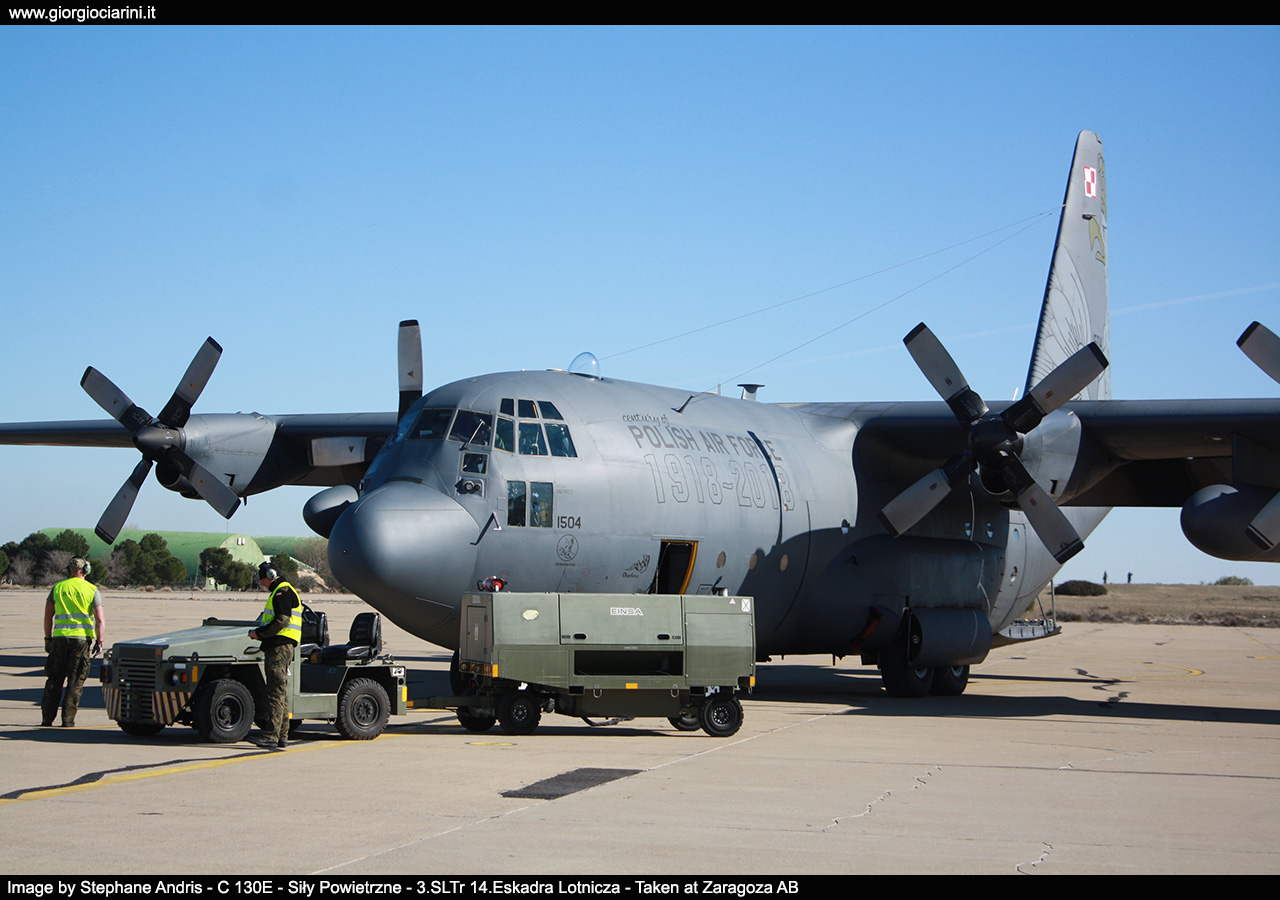
Questi corsi vengono svolti presso l’European Tactical Airlift Centre (ETAC) di Saragozza in Spagna. Per alcune necessità viene utilizzato anche l’aeroporto di Teruel e il Campo di Aviazione di Ablitas (Navarra). Sessioni addestrative vengono organizzate anche su basi aeree delle nazioni che fanno parte dell’EAC.
I corsi sono aperti ad altre nazioni: Bulgaria, Repubblica Ceca, Portogallo, Norvegia, Austria, Romania, Lituania, Danimarca e Polonia. In ogni caso qualsiasi nazione, previa richiesta, può partecipare al Programma.
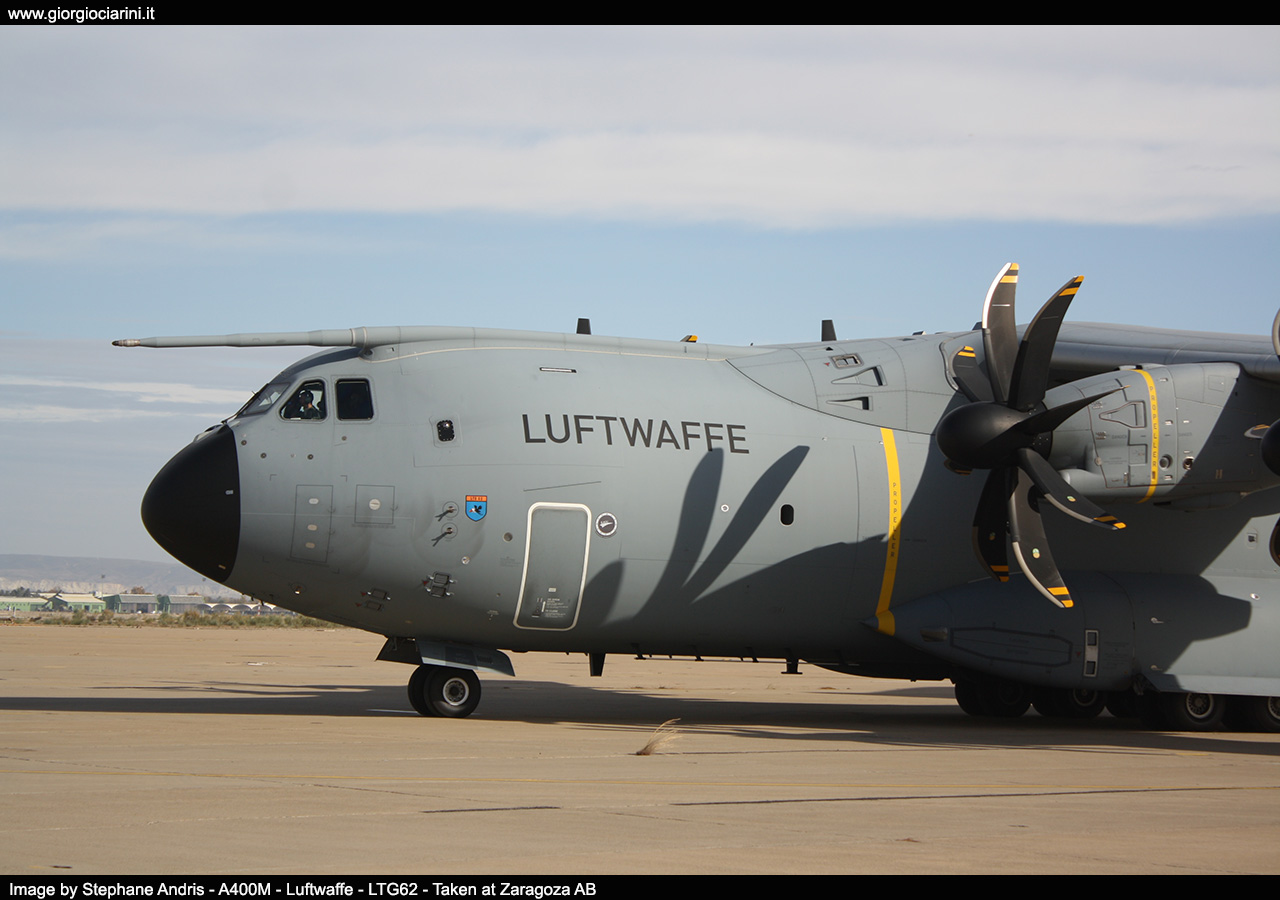
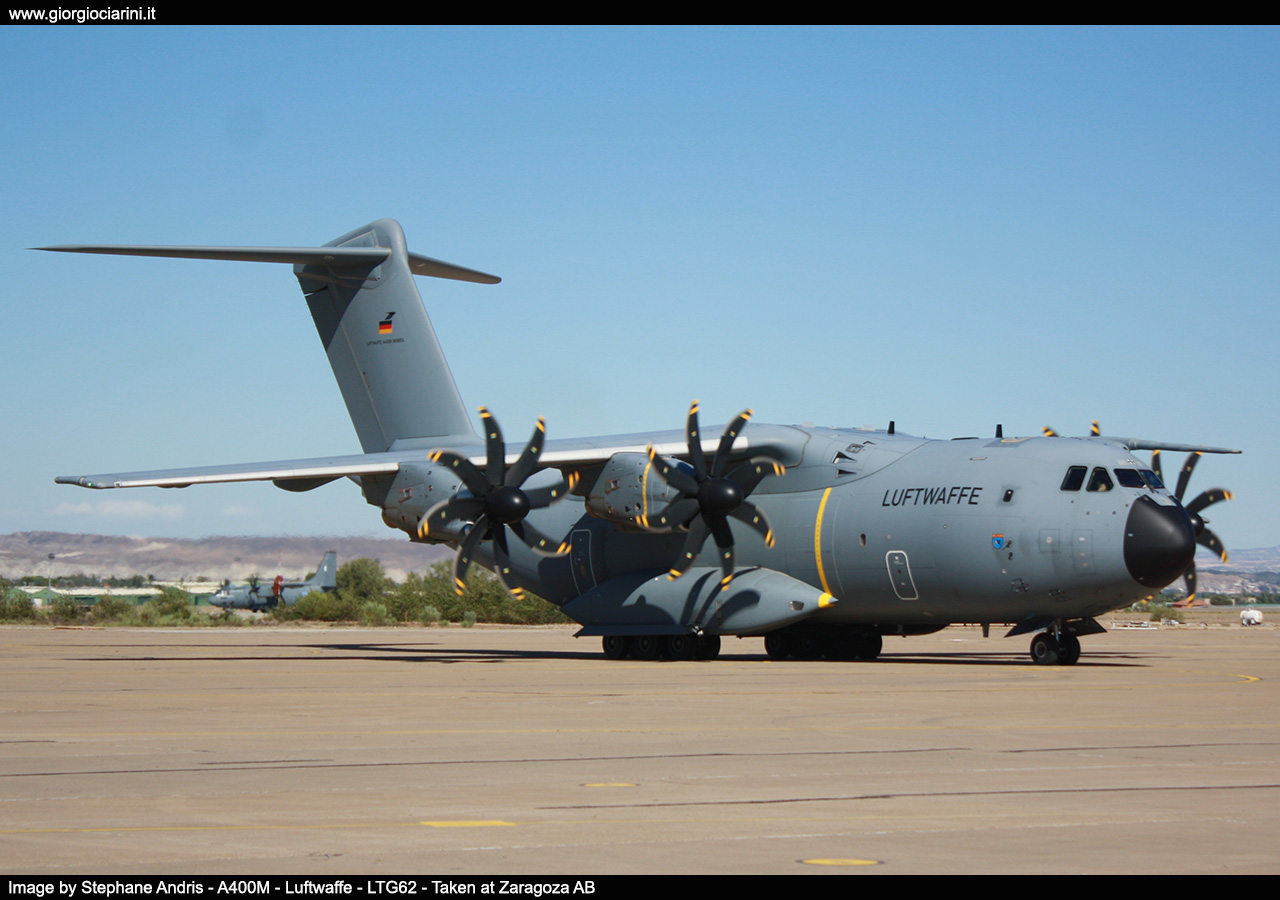
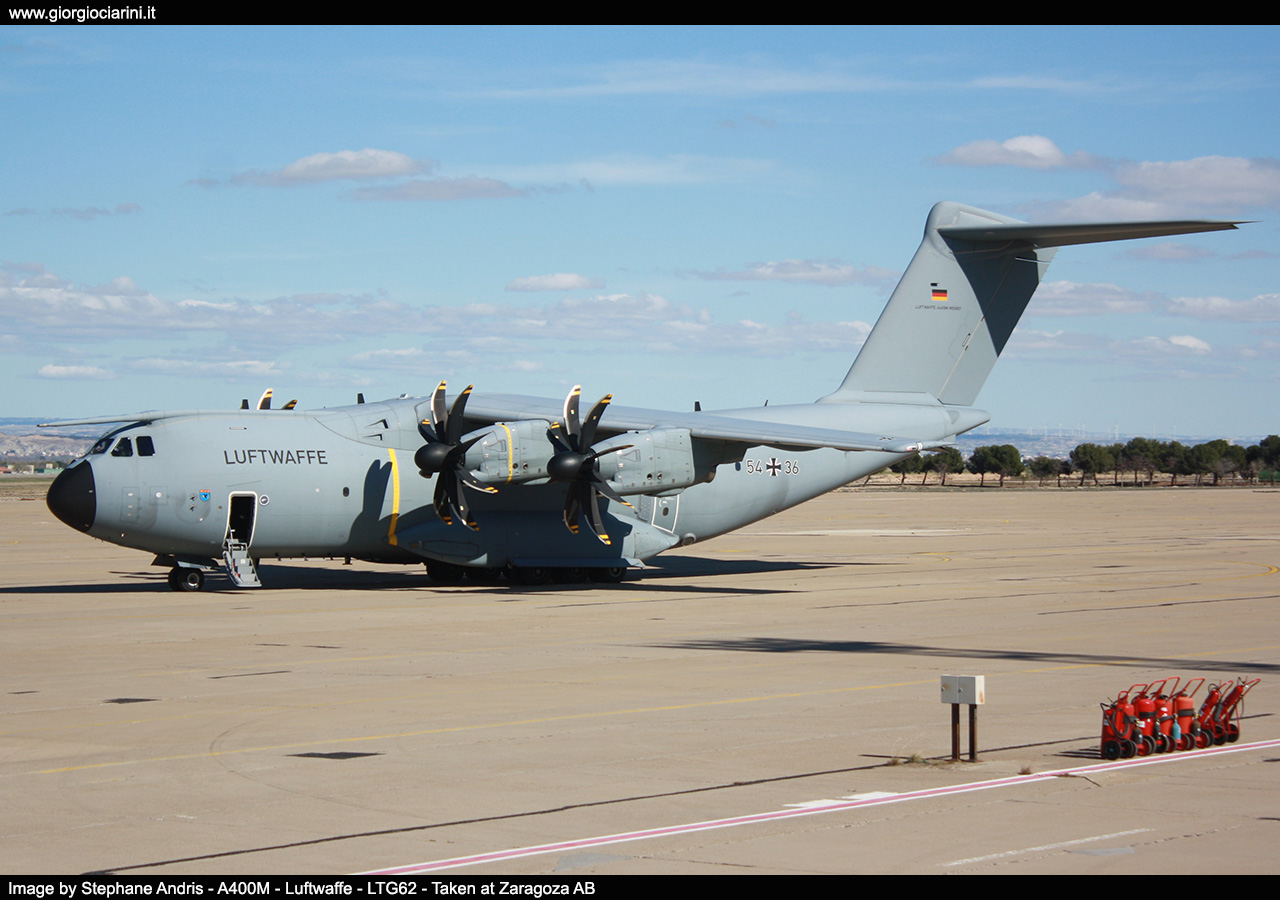
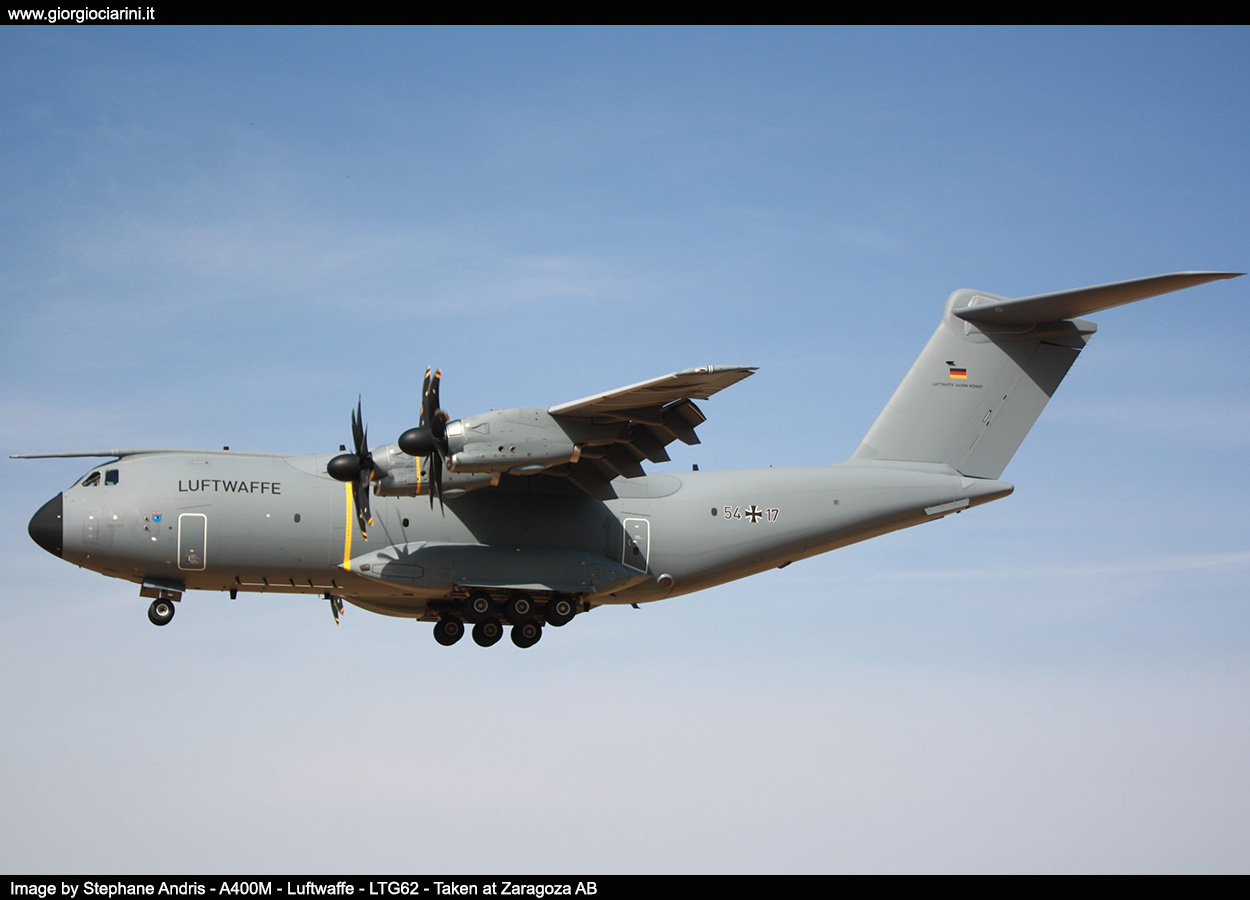
Lo scopo primario dell’ETAP è quello di gestire le componenti trasporto/rifornimento in volo/evacuazione sanitaria sotto un unico comando per utilizzarle al meglio. Tramite la standardizzazione delle procedure di impiego, un addestramento comune e lo scambio di esperienze è stata raggiunta la piena integrazione di ben tredici basi aeree dotate di una ventina di aeromobili diversi. Per il trasporto le flotte attuali sono composte da: A400M, C 130H/J, C295M, C 27J, per il rifornimento in volo: A330MRTT, KC 767A, KC 130H/J e A400M, per l’evacuazione sanitaria sono disponibili diversi aeromobili come i: Falcon 900, A330, A310, G650 che si aggiungono, per esigenze particolari a tutti quelli precedentemente menzionati.
|
|
 |
|
|
 |
|
|
 |
|
|
 |
|
|
 |
|
|
 |
|
|
 |
|
|
|
L'autore desidera ringraziare l'ORP dell'Ejército del Aire y del Espacio di Madrid e tutto il personale della base aerea di Saragozza per il pregevole supporto.
Foto e testo di Stephane Andris
Ultimo aggiornamento febbraio 2026
|
|
English translation
The European Tactical Airlift Programme (ETAP) was established in 1999 as a result of a Franco-German political-military initiative aimed at creating a European command to manage strategic military transport within the European Union and on missions outside it.
The preliminary agreement, reached during the Helsinki European Council, provided for voluntary participation by countries.
In 2000, the European Air Group (EAG) recommended coordinating international military air transport requirements by creating a multinational management element with full command authority.
In June 2001, the EAG member states decided to establish a command centre called the European Airlift Coordination Cell (EACC), which subsequently led to the creation of the European Airlift Centre in 2003.
In 2006, France and Germany extended an invitation to other countries to join the EAG, but only Belgium and the Netherlands actually joined.
In May 2007, the four countries created the European Air Transport Command (EATC).
On 1 July 2010, the European Air Transport Command became operational.
Luxembourg joined in 2012, followed by Spain and Italy in 2014.
The EATC headquarters are located at Eindhoven Airport (Netherlands).
The EATC's organisational structure comprises the command group and three divisions: the Operations Division, the Functional Division and the Policy and Support Division. All entities interact closely and work in synergy to increase effectiveness and efficiency and promote interoperability.
The Commander and Chief of Staff rotate on a three-year basis between France and Germany. The Deputy Commander rotates on a three-year basis between Italy, Belgium, Spain and the Netherlands. Member countries are represented within Headquarters by Senior National Representatives (SNRs).
These positions have a dual function: on the one hand, the SNRs act as national superiors of their personnel assigned to the EATC and serve as an interface between the EATC and their country. On the other hand, they hold rotating positions as division heads and deputy division heads, as well as head of the Public Affairs Office.
The Operations Division manages all processes related to the execution of EATC air mobility missions. The Division manages a daily average of 60 missions (2021 data) worldwide thanks to its five integrated sections.
The section in charge plans and prepares air transport and air-to-air refueling (AAR) missions, while the section dedicated to medical evacuation manages strategic medical missions.
The sections choose the structure that best suits the needs of the mission in question, thus seeking to meet national requirements as efficiently as possible. At the same time, the Intelligence Section monitors, analyses and disseminates information relating to areas of interest or relevant strategic sectors. The Section also provides an assessment of threats to mission control, thus playing a crucial role in the successful execution of the mission.
At the end of the process, they deliver the approved mission to the body managing the mission.
This centre operates 24 hours a day, 7 days a week. It monitors all flight activities under the responsibility of the EATC, proactively manages unforeseen circumstances affecting the programme, and provides a quality service and cost-effective plans in the interests of member countries' needs.
The Functional Division is responsible for promoting harmonisation, standardisation and interoperability through joint multinational training.
It is divided into three sections: Employment, Training - Exercises, Technology - Logistics. The sections are closely interconnected and work in close interdependent coordination, particularly with the Operations Division and national partners.
The Employment and Technical/Logistics Section translates operational results into concepts, procedures, common standards and innovative opportunities relating to the use of resources, logistics, air transport, airdrops, AAR, maintenance and much more. The results are reported in operational manuals.
The Training - Exercises Section transforms these results into multinational training events, such as EART, DART or CATO, CATT and ACATT courses, and also supports ETAP.
The Policy and Support Division works with external units and supports the activities of the headquarters. The division is structured into five sections: Policy and Legal Affairs, Communication and Information Systems (CIS), Analysis and Reporting, Quality Management and General Support. The Policy and Legal Affairs Section plays a leading role in coordination with member countries and third parties. This is of paramount importance, as the EATC relies on strong cooperation with other European players in the field of air mobility. The Section also develops long- and medium-term strategies, common policies and legal frameworks. The EATC's CIS experts support the configuration of the EATC's IT and prepare it for the requirements of this new decade.
The Analysis and Reporting Section provides mission analysis and statistics to member countries to facilitate the identification and monitoring of critical indicators. It is also responsible for ATARES accounting of flight hours and services exchanged between EATC member countries. The Quality Management unit oversees and coordinates all EATC activities and processes, while administrative and financial support is handled by the General Support unit. The latter also acts as a liaison with the host nation and Eindhoven Air Base.
In a nutshell, the role of the EATC is to manage military transport and air-to-air refueling fleets, which in practice account for 75% of the total capacity of the entire European military component.
The EATC organises annual courses and exercises to put into practice the various techniques and tactics that will then be used in real operations.
Courses involving the use of aircraft are divided into two categories: the European Tactical Airlift Programme (ETAP) for transport aircraft and the European Air Refuelling Course (EART) for in-flight refueling. The latter is not organised on a regular basis but according to need.
ETAP includes various types of training courses: ETAP-T for the transport component, ETAP-C for flight crews, and ETAP-I for flight instructors and loadmasters. An additional course is dedicated to medical evacuation missions.
These courses are held at the European Tactical Airlift Centre (ETAC) in Zaragoza, Spain. For certain requirements, Teruel Airport and Ablitas Airfield (Navarra) are also used. Training sessions are also organised at air bases in countries that are part of the EAC.
The courses are open to other countries: Bulgaria, Czech Republic, Portugal, Norway, Austria, Romania, Lithuania, Denmark and Poland. In any case, any country may participate in the Programme upon request.
The primary task of ETAP is to manage transport/in-flight refuelling/medical evacuation components under a single command in order to make the best use of them. Through the standardisation of operating procedures, common training and the exchange of experiences, thirteen air bases equipped with around twenty different aircraft have been fully integrated. The current transport fleets consist of: A400M, C 130H/J, C295M, C 27J, for in-flight refuelling: A330MRTT, KC 767A, KC 130H/J and A400M. For medical evacuation, various aircraft are available, such as the Falcon 900, A330, A310 and G650, which are added to those mentioned above for special requirements.
|
|
The author would like to thank the ORP of the Ejército del Aire y del Espacio in Madrid and all the members of the Zaragoza AB for their kind help.
Image and text by Stephane Andris
Last update February 2026
|
|